

December 31, 2024
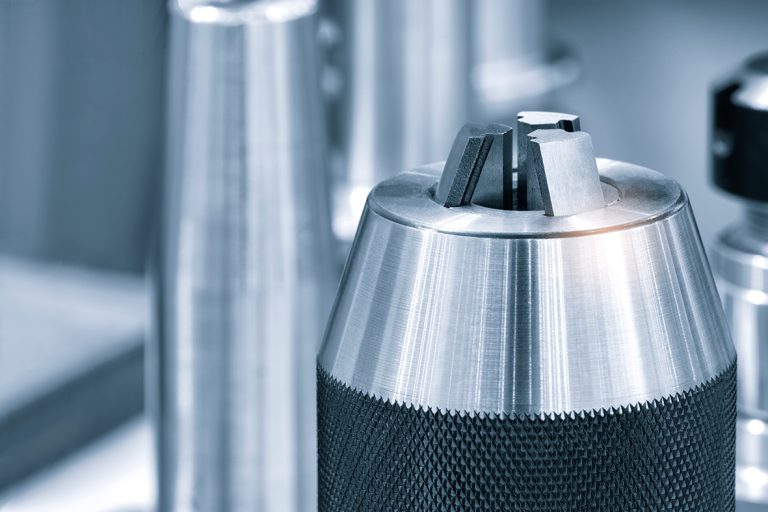
Basic Principles of Hydraulic Tool Holders Hydraulic tool holders, also called hydraulic tool holders, are high-precision fixtures that use hydraulic technology to hold tools. It works by utilizing internal hydraulic […]
December 31, 2024
Basic Principles of Hydraulic Tool Holders Hydraulic tool holders, also called hydraulic tool holders, are high-precision fixtures that use hydraulic technology to hold tools. It works by utilizing internal hydraulic […]
December 31, 2024
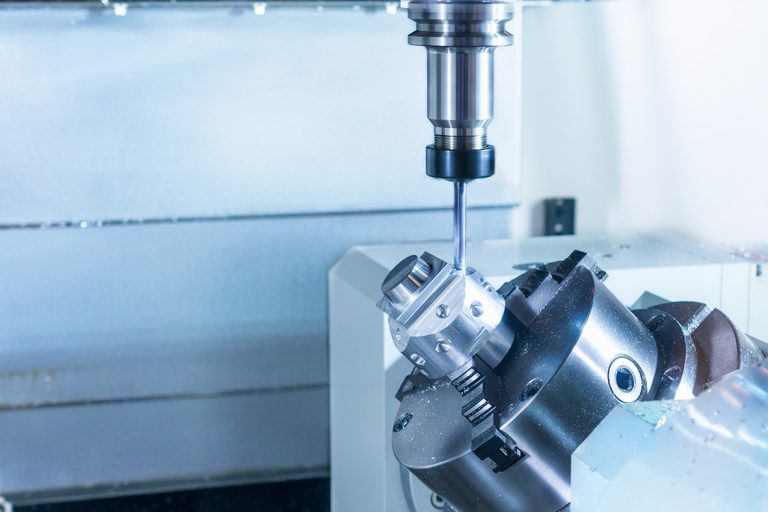
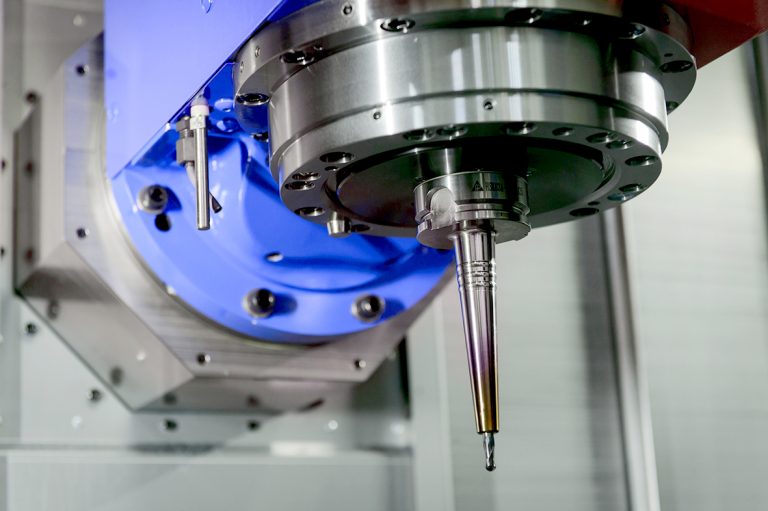
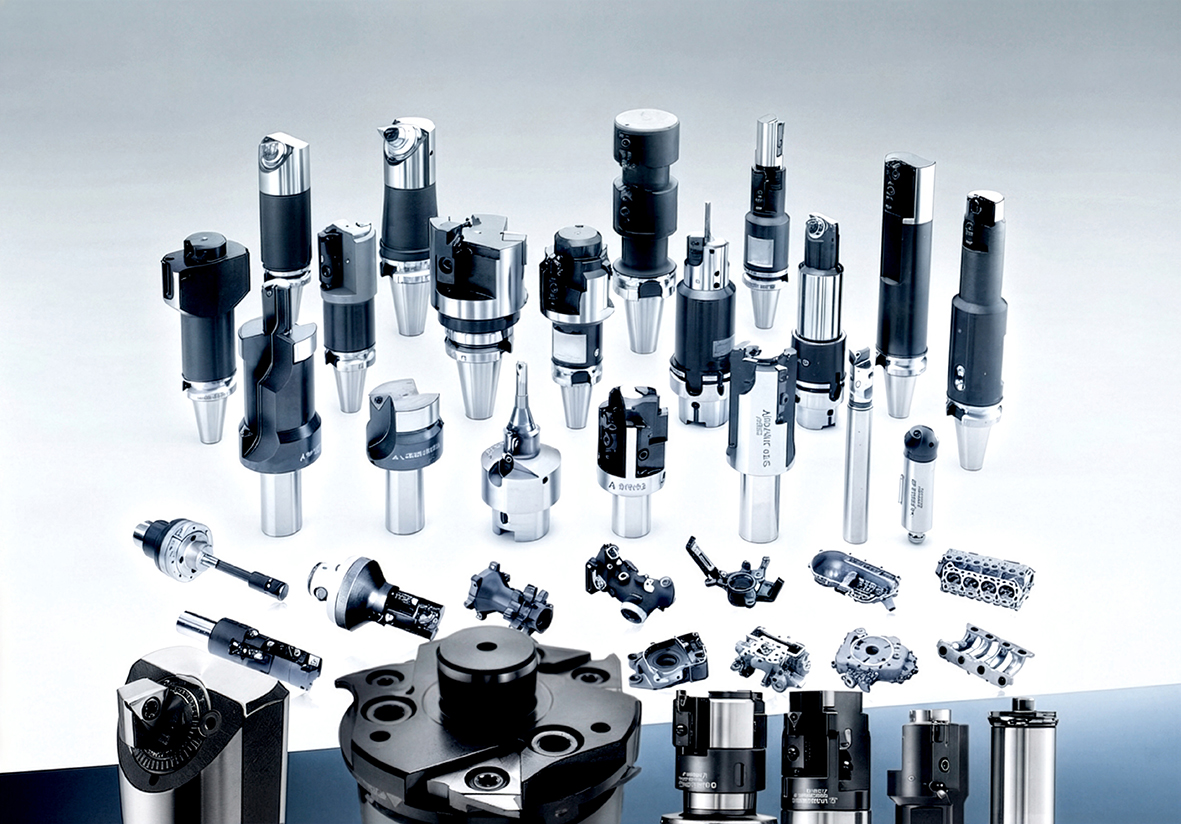
In modern manufacturing, CNC machine tools have become the main equipment for processing and manufacturing, and CNC tool holders (also known as tool holders) are an indispensable key component in CNC machine tools. Its main function is to hold the tool and transmit power to the tool to ensure accuracy and stability during the machining process. For machine tool manufacturers, the selection and application of CNC tool holders directly affects processing efficiency, product quality and equipment performance.
December 6, 2024
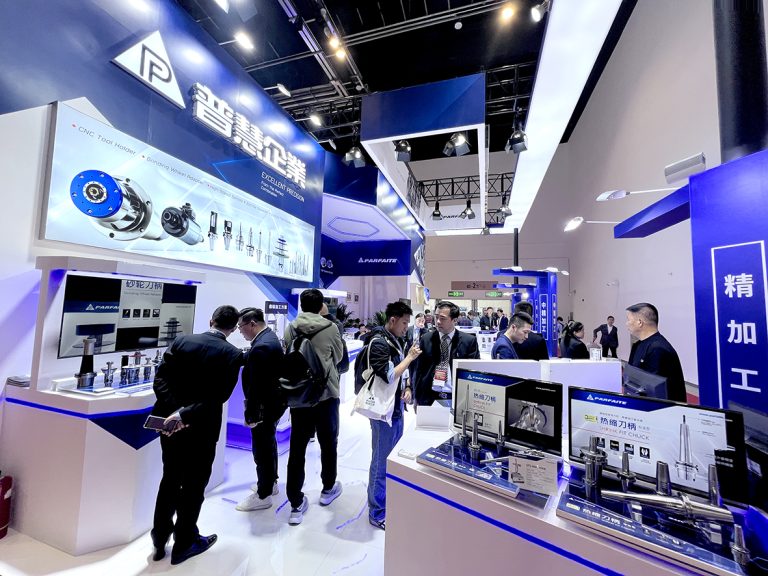
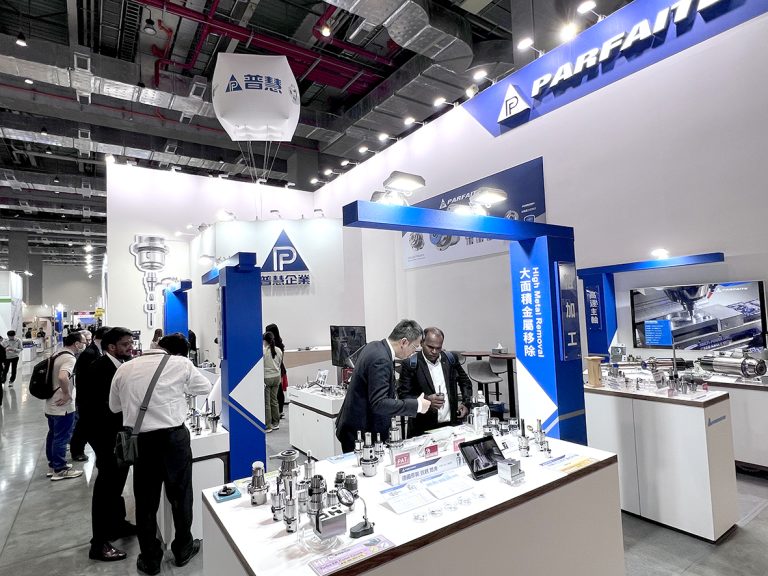
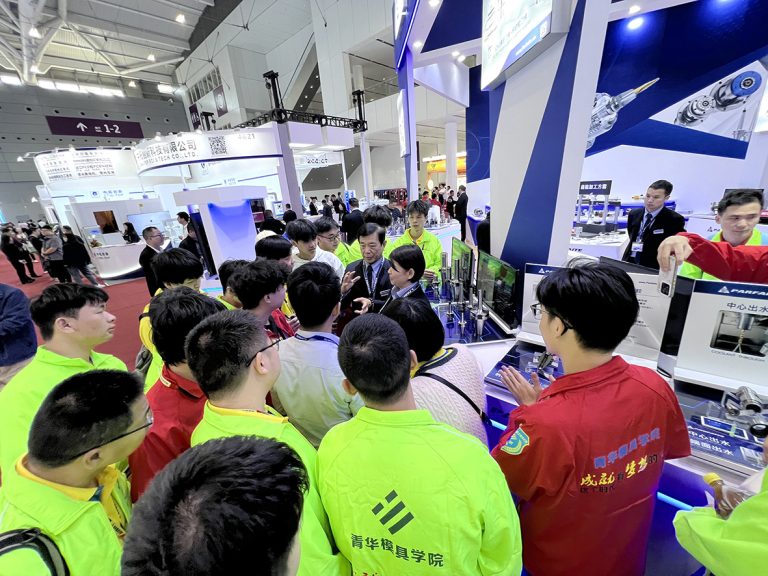
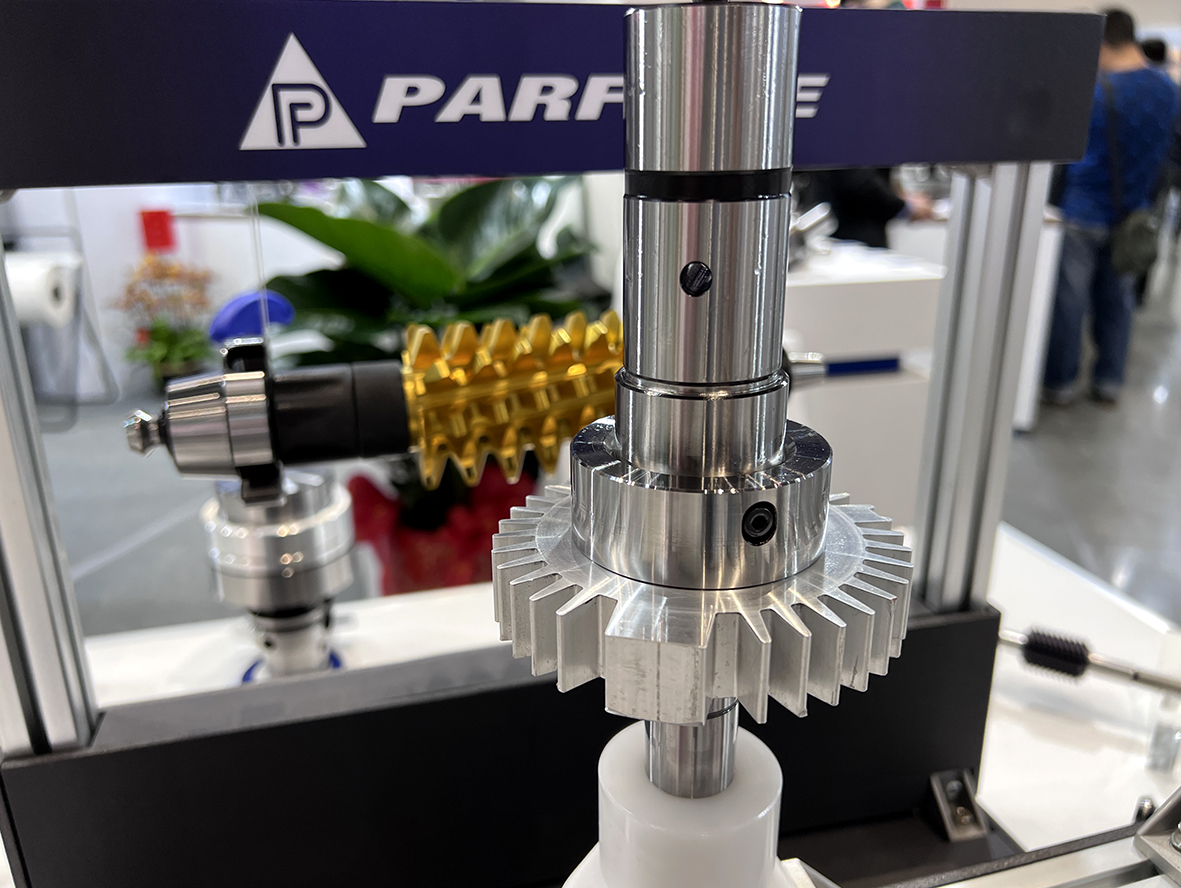
Parfaite participated in the 2024DMP Greater Bay Area Industrial Expo and exhibited from 11/26 to 11/29. It was well received and a complete success.
August 27, 2024
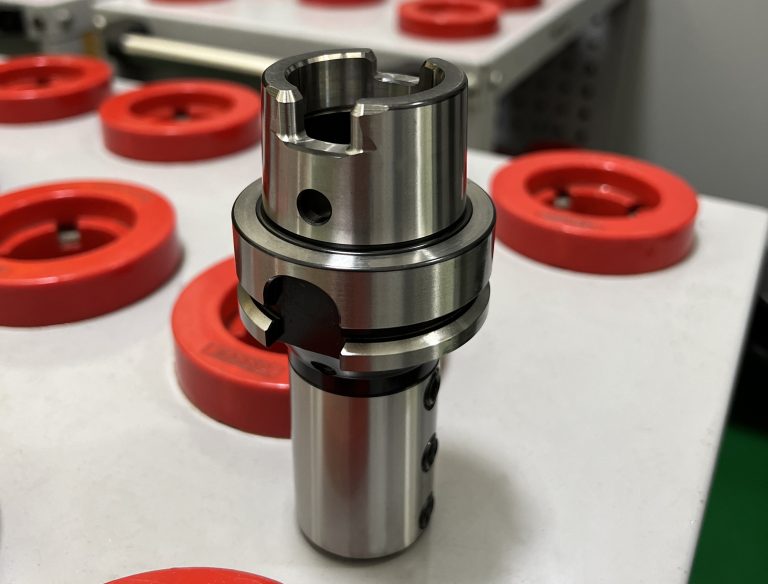
HSK-T type or the standard called ICTM type, ICTM is the abbreviation of Japan Composite Machine Tool Interface Committee. HSK-T implemented the JIS standard (JISB6064-3) in 2013. The main technology of this standard is to set a higher tolerance fit standard for a pair of driving key connections in order to increase or improve the driving accuracy. ICTM type tool holders are often used as an option in the HSK-A tool holder system. It is called HSK-T type by everyone.
August 13, 2024
Although SK, BT, CAT, and ISO tool holders all belong to the 7:24 slope series, they have different specifications and size standards for flange surfaces, V-shaped grooves, and keyways, and they all have their own unique advantages and application fields. Application scenarios. Understanding these differences can help users choose the most suitable tool holder system and improve processing efficiency and accuracy. With the continuous advancement of industrial technology, these tool handle systems will continue to be developed and optimized to meet the growing market demand.
July 19, 2024
HSK tool holder (tool holder) is a tool holder system invented in Germany with a hollow shank at the tail and a taper of 1:10. It is light in weight and short in stroke. The clamping tool holder has double-sided contact between the taper surface and the end surface. It is the most representative of double-sided clamping. The unique tool holder type has high static and dynamic stiffness and has become one of the important links in high-speed cutting.
July 18, 2024
BBT tool holder (tool holder) is an improved BT tool holder system. In addition to the basic 7/24 taper specification, a flange surface contact design is added, which is an optimized design for double-sided support (taper contact and flange surface contact). , providing the clamping system with higher rigidity and stability. In order to distinguish it from the brands on the market, Puhui named the series after BTT, so the BBT knife handles on the market are Puhui's BTT knife handle series.
July 16, 2024
The BT tool holder features a specific taper and internal tie rod design that allows the tool holder to be tightly fixed in the spindle and reduce tool deflection during machining. This design not only ensures the rigidity and durability of the tool holder, making it an ideal choice under high-speed and heavy cutting conditions, but also improves the tool change efficiency of the tool holder, greatly improving production efficiency.
July 11, 2024
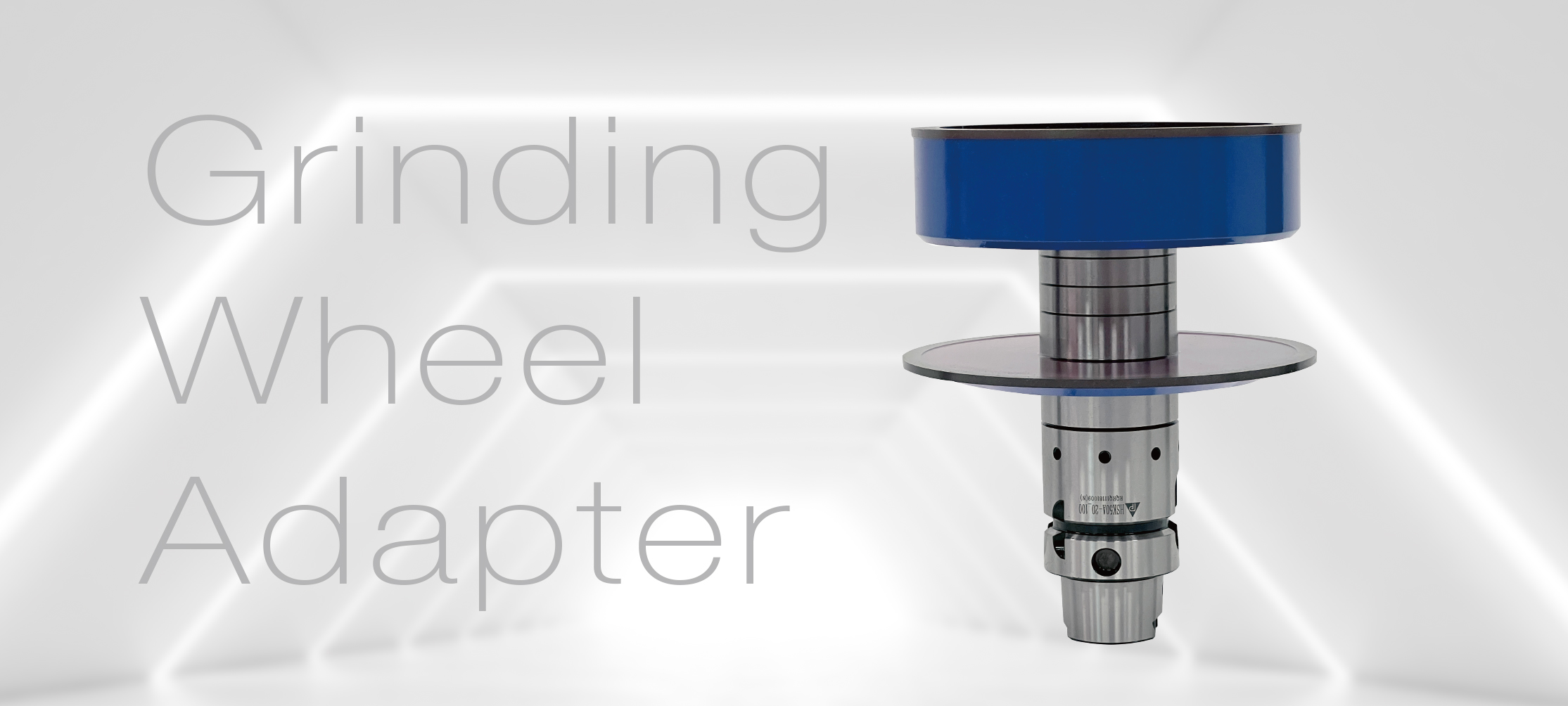
The main function of the grinding wheel tool holder is to hold the grinding wheel to ensure that the grinding wheel does not fall off or move during processing. In addition, the grinding wheel tool holder also provides precise positioning to ensure that the grinding wheel can be processed according to the predetermined path to achieve the required size and shape.
June 11, 2024
The application of RFID technology can optimize tool usage strategies. By analyzing tool usage data, managers can identify the best cutting parameters and processing conditions, avoiding the use of tools under unsuitable conditions and reducing tool wear.