
CNC Tool Holder Accessories
CNC tool holder accessories, such as pull studs, screws, and nuts, are typically assembled onto the tool holder body to complete its functionality. The coolant sealing disc is used in combination with a standard collet and an HER sealed nut to enable the coolant-through capability of HER tool holders. As for the selection of wrenches, the appropriate type depends on the specific locking design of the tool nut. Extension rods are designed to increase the reach of the tool holder; the rear shank is mounted into the front of the tool holder, while the front end accommodates the cutting tool. Test bars are specialized tool holders primarily used to inspect and verify spindle runout accuracy.
Our Quality
普慧刀把品質
| MATERIAL | hardness | Surface roughness | Cryogenic treatment | Taper shank accuracy | |
|---|---|---|---|---|---|

|
Steep Taper NiCrMo HSK / Premium Chucks Higher Grade | 55~58 Hrc Depth of Min. 0.8 mm | RA. 0.15 μm | 180 Degrees | AT3 or Better than DIN69893 |
| other brands | CrMo NiCrMo | 50~55 Hrc Depth of Min. 0.6 mm | RA. 0.2-0.4 μm | Nil or Only Sub-Zero (-90) | AT4 or Out of DIN69893 |
| Deflection accuracy | Grinding equipment | inspection method | Tool Holder Balancing | ||
|---|---|---|---|---|---|
|
|
Same as Indicated in Catalogue | State of the Art from Swiss | 100% Checked with Certified Gauge by Trained Technicians | Actual Balanced with Balanced Machines | |
| other brands | Often Different as Indicated in Catalogue | Normal Grinder | Radon Inspection with Non Certified Gaugeby Non Trained Emplyees | Only Pre-Balanced but Claimed Balanced |
Cryogenic Treatment
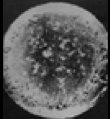
The Austenite remaining inside the knife can be turned into Martensite, and its variable structure can reach 97% ~ 98%. The picture on the right is a metallographic diagram of two pieces of the same material but different heat treatment. If the knife handle is treated with cryogenic treatment, its life and stability far exceed those of untreated material. The company's products are HY, CR, PFC and so on.
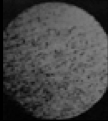
Left | Metallographic diagram after ultra-cold treatment
Right | Metallographic diagram without ultra-cooling treatment
Precision CNC Tool Holder Product List
Filter
All Accessories (50)
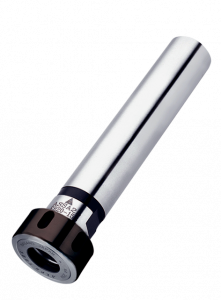
ER EXTENSION BAR WITH BEARING NUT
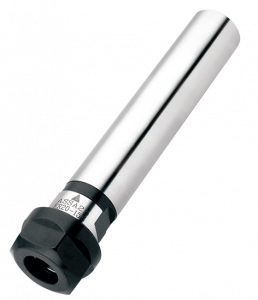
ER EXTENSION BAR
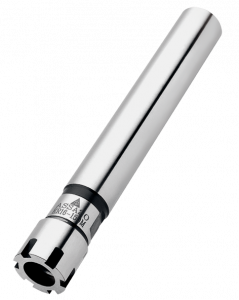
ER SLIM EXTENSION BAR
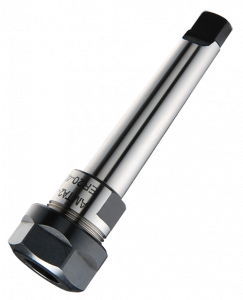
MORSE TAPER ER COLLET CHUCK
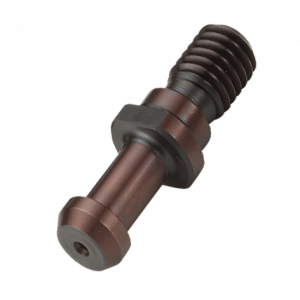
PULL STUD TYPE ISO (For Engraving Machine)
BT PULL STUD
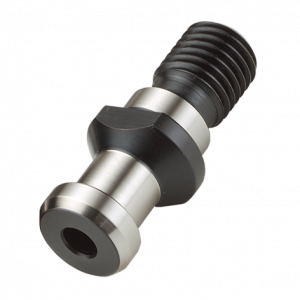
DIN PULL STUD
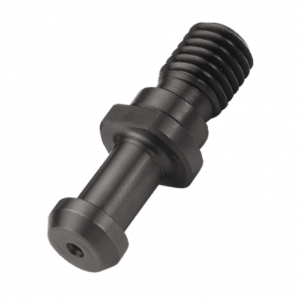
ISO PULL STUD
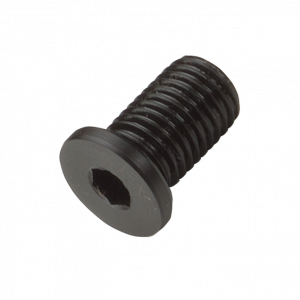
ADJUST SCREW APPLY TO HY HOLDER
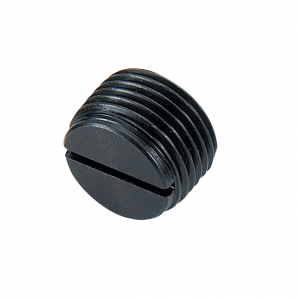
ADJUST SCREW APPLY TO ER HOLDER
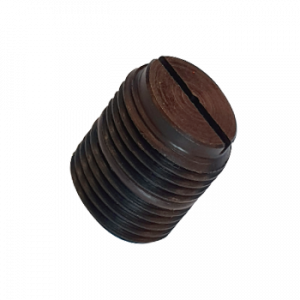
COOLANT TYPE SCREW APPLY TO ER HOLDER
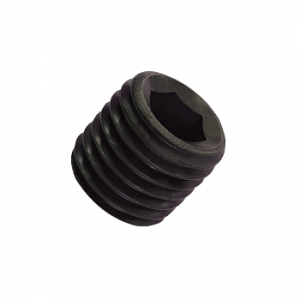
SET SCREW APPLY TO SLE HOLDER
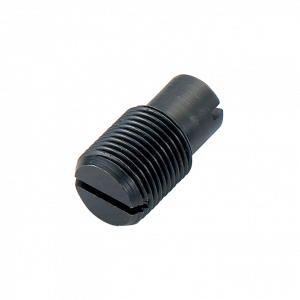
ADJUST SCREW APPLY TO PFK HOLDER
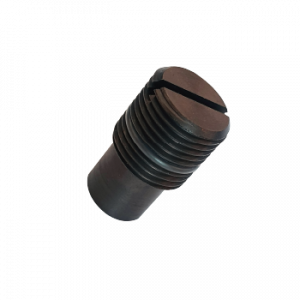
COOLANT TYPE SCREW APPLY TO PFK HOLDER
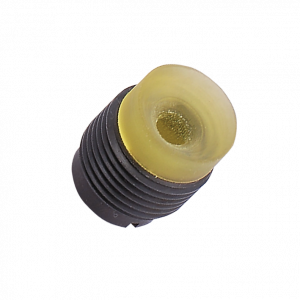
COOLANT TYPE SCREW APPLY TO PFC HOLDER
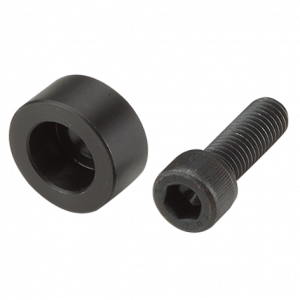
BOLT APPLY TO FMA,FMB HOLDER
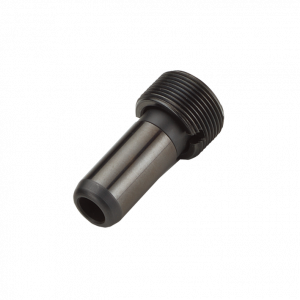
Parfaite HSK coolant tube for HSK32 to HSK100. Directs internal coolant to the cutting edge for better chip evacuation and longer tool life.
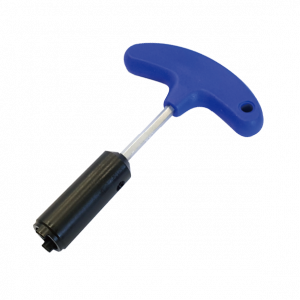
Wrench is applied to the center outlet pipe
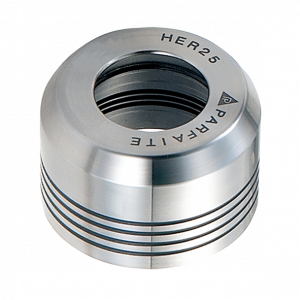
HER NUT
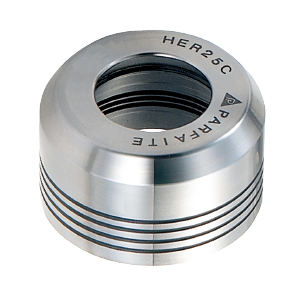
HER-C Water-stop nut
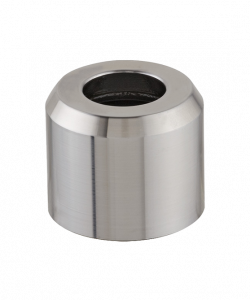
THER Slim Nut
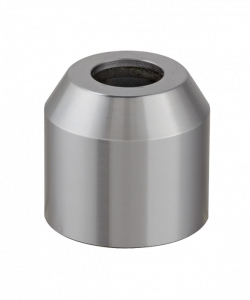
THER-C COOLANT TYPE SLIM NUT
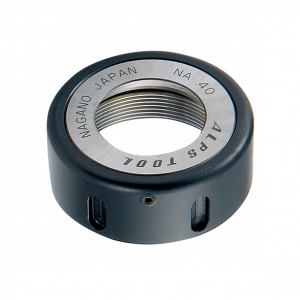
ER BALL BEARING NUT
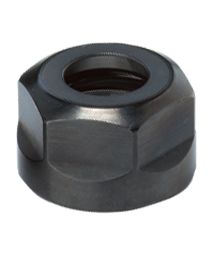
ER NUT
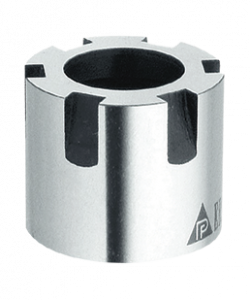
ER SLIM NUT
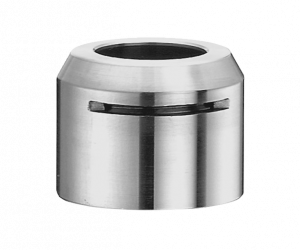
ER small diameter high speed nut
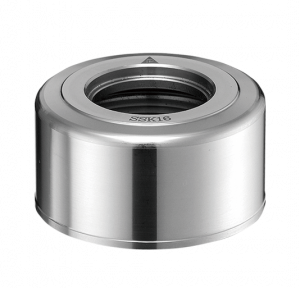
PFK HIGH SPEED FULL ROUND NUT
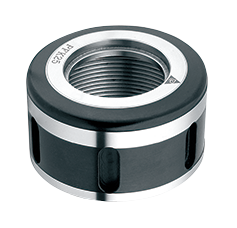
PFK NUT
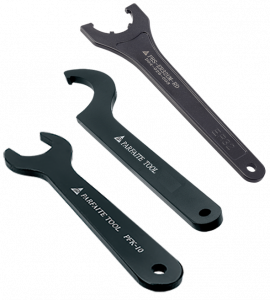
Spanner for ER nut
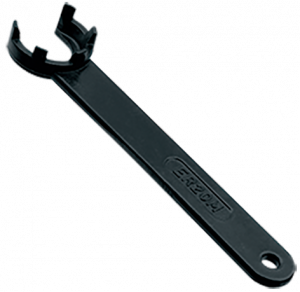
Spanner for ER-M nut
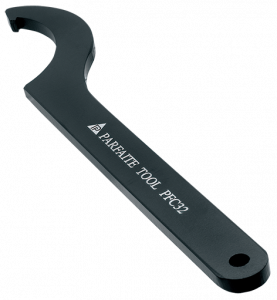
Spanner for ER-B/ER-BR nut
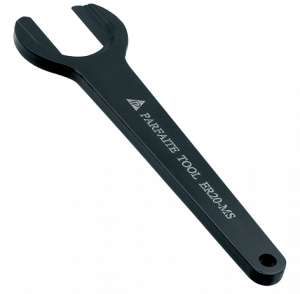
ERMS nut wrench
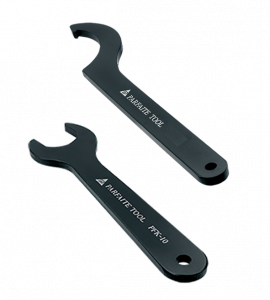
Spanner for PFK nut
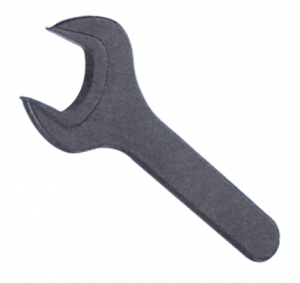
Spanner / Wrench for ISO Tool Holder
Spanner for PFC Tool Holder
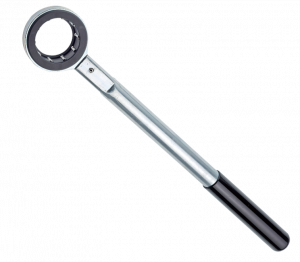
Two-way Roller Bearing Wrench
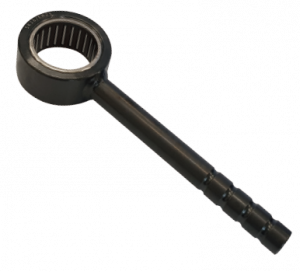
One-way Roller Bearing Wrench
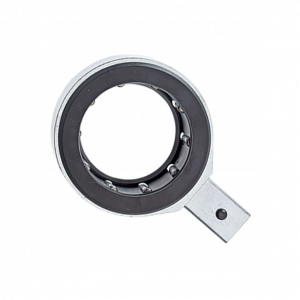
Two-way Roller Bearing Head
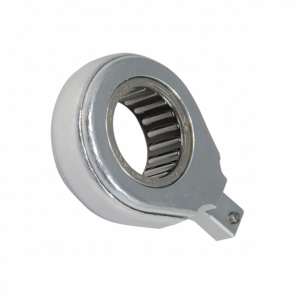
One-way Roller Bearing Head
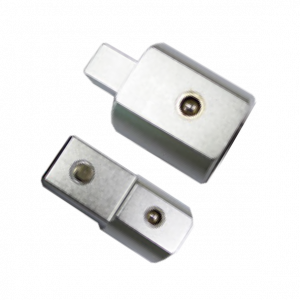
Wrench Adapter
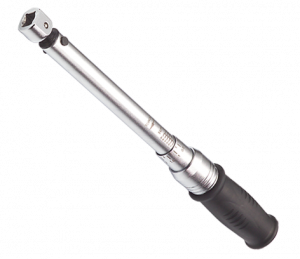
TORQUE WRENCH (Square Type)
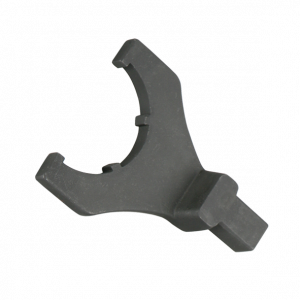
Wrench Head FIG.1
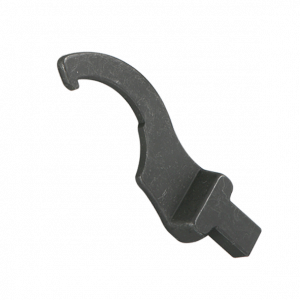
Wrench Head FIG.2
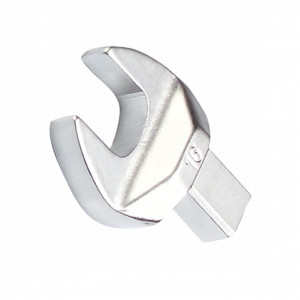
Wrench Head FIG.3
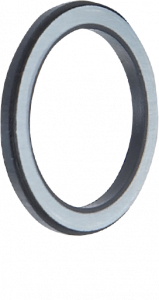
Sealing Disk
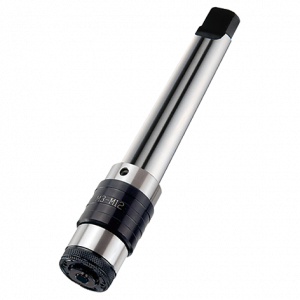
TAP ADAPTER HOLDER WITH MORSE TAPER
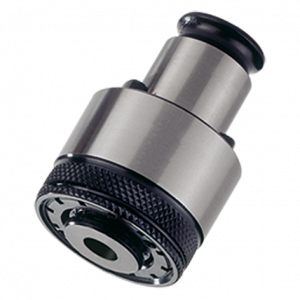
TAP ADAPTER-TC
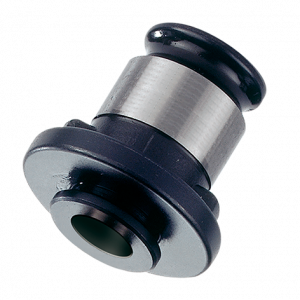
TAP ADAPTER-TCB
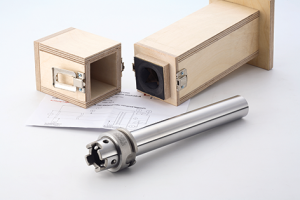
HSK-A Type and HSK-E are shared
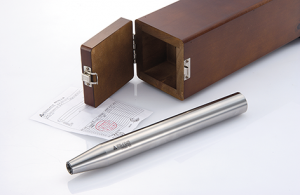
BT Series Test Bar
FAQ
Product FAQS
What is the correct torque for tightening the collet nut? What happens if it is over-tightened?
Key Points:
The collet nut must be tightened to the specified torque value — tighter is not always better. Different collet and tool holder systems have recommended torque values. For example, common ER series collets each have their own torque specifications, which should always be checked in the manufacturer’s torque chart.
Over-tightening may cause:
- Deformation or damage to the collet nut and collet
- Increased runout
- Unstable tool clamping or even the risk of tool pull-out
It is strongly recommended to use a torque wrench and tighten according to the specified values rather than relying on hand feel.
Are there different sizes or types of tool holder wrenches? How do I choose the right one?
Key Points:
Yes. The shape and size of a tool holder wrench vary depending on the type and size of the collet nut.
This Is Where Parfaite Comes In
- Dedicated ER series wrenches (e.g., ER32, ER40, etc.) are designed for different collet nut sizes and groove patterns.
- Some wrenches are full-circle single-direction or double-direction types, designed for tightening or loosening full-round nut designs (such as the HER series).
- There are also interchangeable-head torque wrenches, which allow users to select different heads for various nut sizes and groove types. Their main advantage is the ability to apply the correct torque according to the specification chart, avoiding over-tightening by hand.
When selecting a wrench, always ensure that the nut size and groove profile match the wrench correctly to guarantee safe operation and optimal efficiency.