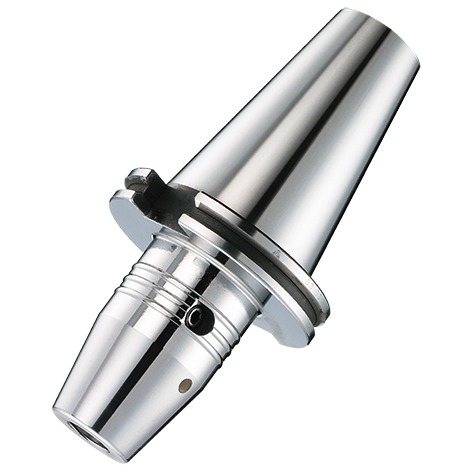
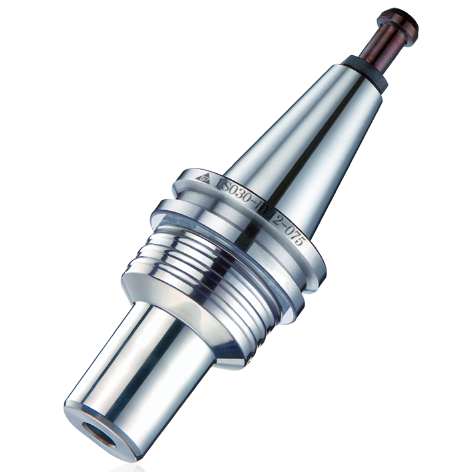
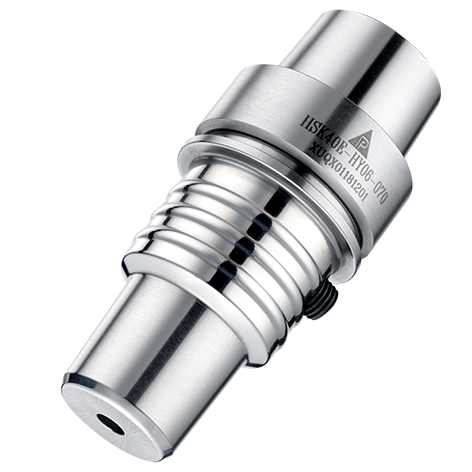
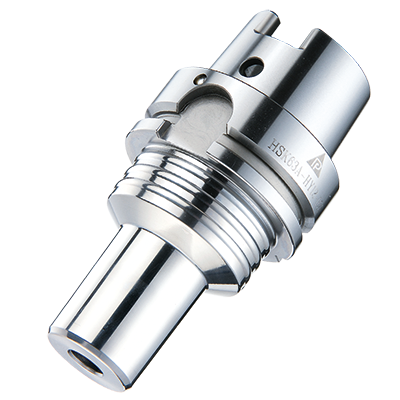
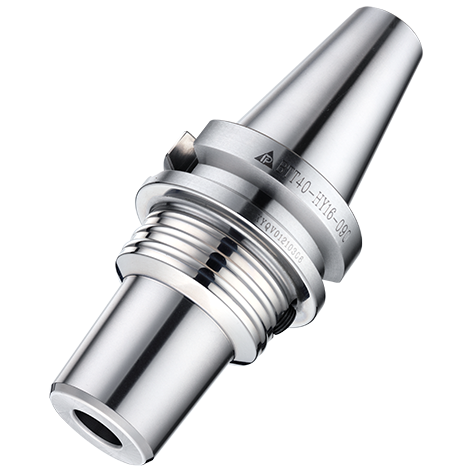
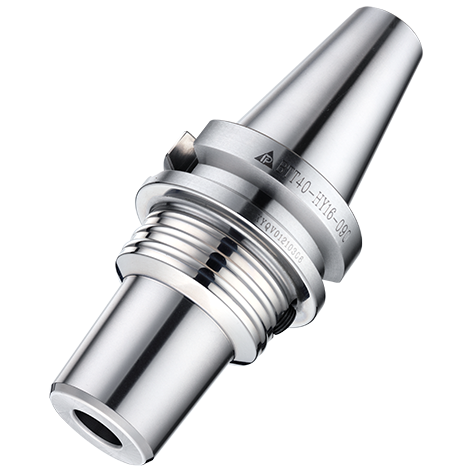
Hydraulic Tool Holder
Hydraulic Chuck

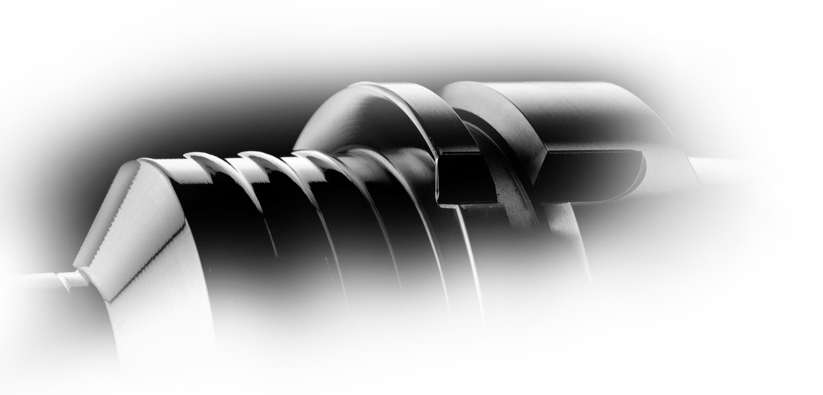
Achieving the Dream of 3-Micron Machining Without Expensive Equipment
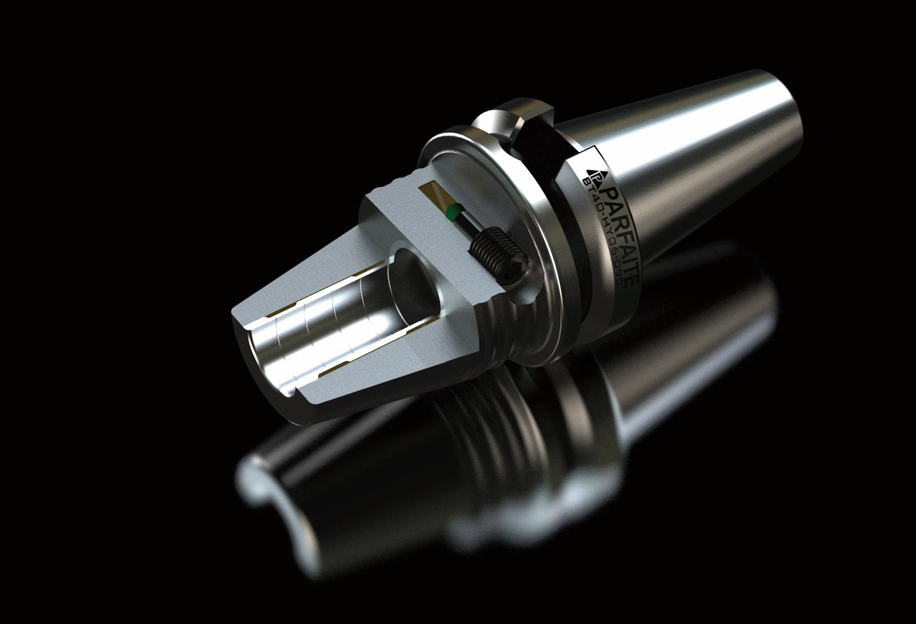
Hydraulic tool holders utilize a hydraulic expansion clamping mechanism to rapidly meet ultra-high precision requirements within 3 microns (3µm) without the need for costly auxiliary equipment. Furthermore, their superior damping performance effectively reduces cutting chatter and suppresses vibrations, thereby enhancing productivity and surface finish. They represent the premier choice of tool holders for high-efficiency and high-precision machining operations.
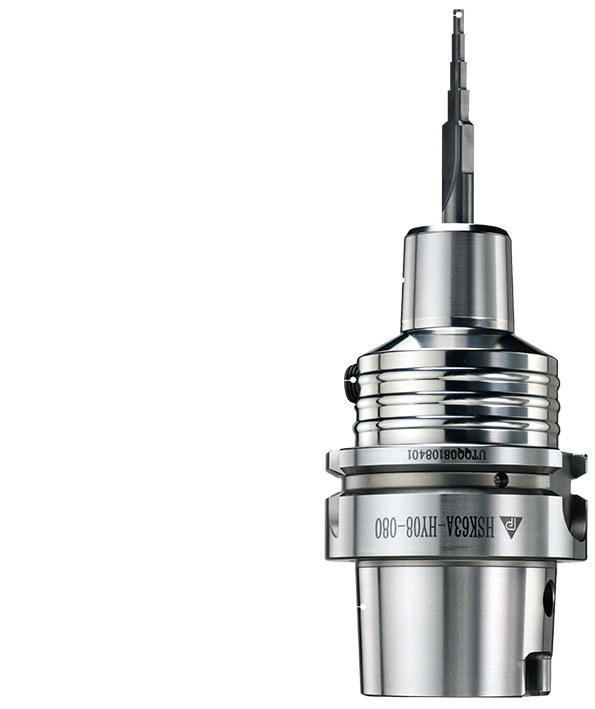

3μ high precision
Run out≦0.003mm

Fast changing tool within 10 seconds
Simple Tool Changing ,High Repeat Accuracy

Reduce vibration in machining
Ruduce tooling costs. Better surface finish

After a special heat treatment process,
After a special heat treatment process, the chuck can maintain best accuracy and life.

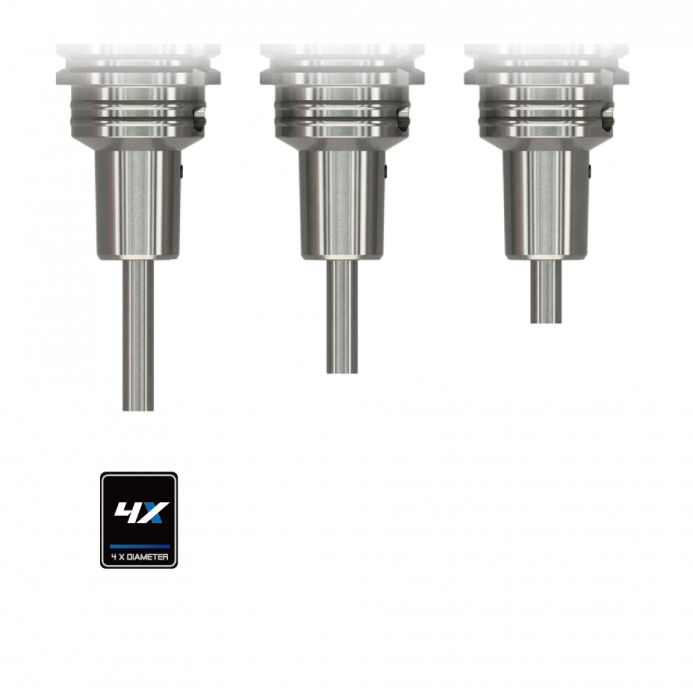
Accuracy measurement : tool shank is 4 times length of the diameter. 4 x dø (max.80mm)
Run out≦0.003mm 4 times longer accuracy
360°and clamp on both sides
360°and 2 points full clamping method
Feel the precision of 4D 3μm
The same is 3μm, but the length is different
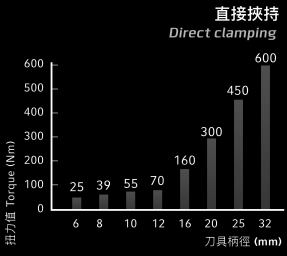
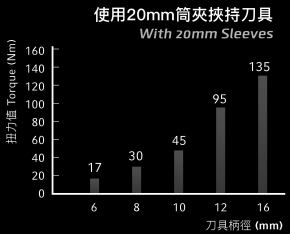
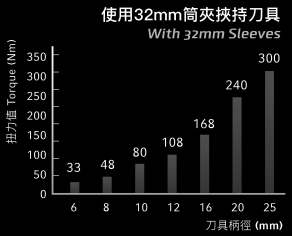
Tool handle clamping torque
FAQ
Product FAQS
What are the most common causes of poor clamping or failure in hydraulic tool holders?
Common causes include:
- The tool is not fully inserted or the bore/tool shank is not properly cleaned
- The pressure screw is not tightened to the stop position, resulting in insufficient clamping force
- Excessive heat, oil contamination, or chips entering the holder, affecting hydraulic pressure stability
Recommendation: Always clean before clamping, tighten to the stop position, and avoid frequent operation under excessive heat.
How can we prevent insufficient clamping force or negative impacts on machining accuracy when using hydraulic tool holders?
- Ensure the tool shank diameter is within the specified tolerance (typically h6)
- Maintain the minimum required clamping length
- Regularly clean and lubricate the pressure screw, and avoid clamping without a tool inserted
These practices are essential for maintaining accuracy and stable clamping.
What is the service life of a hydraulic tool holder, and what are the key maintenance points?
The service life of a hydraulic tool holder depends on:
- Proper daily cleaning and lubrication
- Preventing chips and contaminants from entering the holder
- Operating within an appropriate temperature range
Regular inspection of clamping condition and internal pressure helps extend service life.