Latest News and Events

PARFAITE releases the latest information, and you may see more about marketing and technical resources

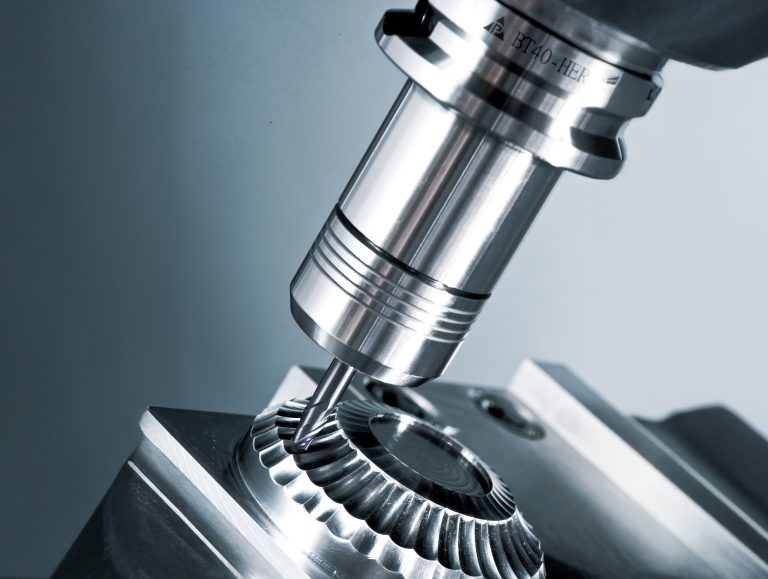
The Key to Precision Machining: Understanding Positioning Accuracy and Repeatability

December 4, 2025

In the field of CNC machining, precision is the core indicator that determines product quality, machining stability, and overall production efficiency. Among all accuracy specifications, positioning accuracy and repeatability are the most fundamental yet most impactful. These two metrics not only reflect the manufacturing quality of the machine tool itself but also influence tool holders, cutting tools, machining parameters, and long-term production consistency—making them essential for every precision-focused industry.

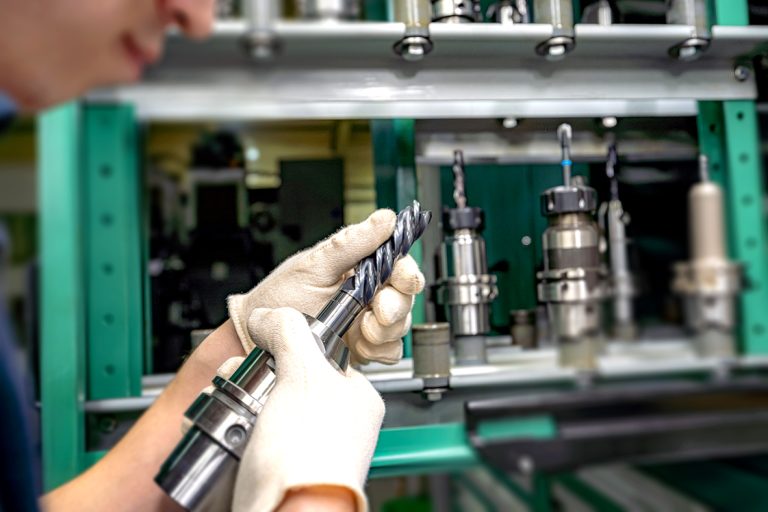
Types and Causes of Tool Wear: Mechanisms, Influencing Factors & How to Reduce It

November 21, 2025

In CNC machining, tool wear is one of the most critical issues that cannot be ignored. It directly affects machining accuracy, surface roughness, cutting efficiency, and tool cost, and indirectly impacts the overall equipment utilization rate on the production floor. By understanding the mechanisms behind tool wear, identifying wear conditions, and applying effective preventive strategies, manufacturers can significantly improve machining stability while reducing long-term tool and equipment costs. This guide covers the impact of tool wear, causes, types, life-influencing factors, monitoring methods, and concludes with a recommended solution—PARFAITE HER High-Speed Collet Chuck Holders—to help you build a complete and practical tool-wear management strategy.

Alishan 2 Days 1 Night · PARFAITE Trip

November 18, 2025

This year’s company trip brought us deep into the heart of Alishan. In just two days and one night, we immersed ourselves in mountains, tribal culture, local flavors, and the warmth of our team. Every moment was filled with joy and unforgettable memories.

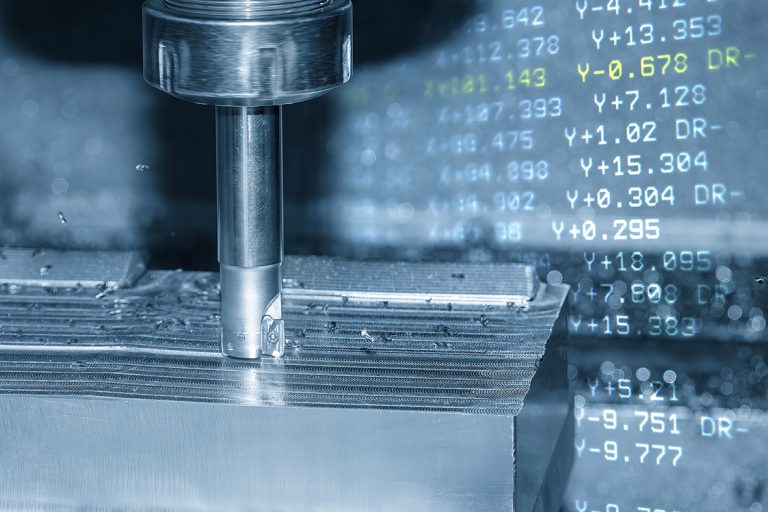
How to Calculate CNC Cutting Speed: Formula & Calculator

September 1, 2025

Cutting speed is one of the most critical parameters in CNC machining. It refers to the relative surface speed between the cutting edge of the tool and the workpiece, usually measured in meters per minute (m/min) or feet per minute (ft/min). For CNC manufacturers, the cutting speed directly affects machining efficiency, surface finish, and tool life. Incorrect cutting speed may result in rough surfaces, excessive tool wear, or even machining failure. Understanding the definition of CNC cutting speed is essential to improve productivity and ensure machining quality.

What is Surface Roughness? Key Concepts and Measurement Methods

August 25, 2025

Surface roughness is a technical metric used to describe how smooth or textured a material’s surface is. While it may sound abstract, we encounter it in daily life — the coarse feel of a painted wall, the sleek touch of a smartphone screen, or the subtle difference in finish between two metal parts. In precision machining, surface roughness refers to the microscopic peaks and valleys left behind after manufacturing. These minute details can have a significant impact on a product’s performance, durability, and even its appearance. Understanding surface roughness is therefore the first step in assessing machining quality.

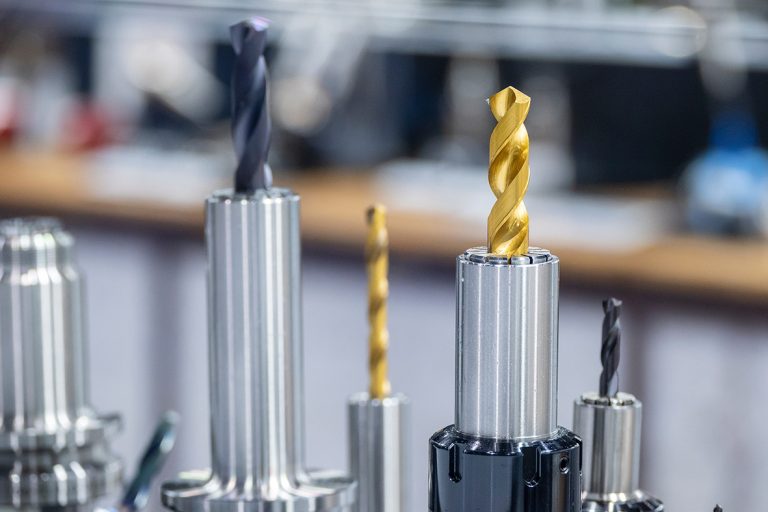
CNC Drill Bit Types: Twist, Carbide, Deep-Hole & More — With Selection Tips

August 18, 2025

Drills are among the most commonly used and versatile cutting tools in metalworking and machining. Their primary function is to create precise and required holes in various materials. These holes may serve for part assembly, screw fastening, oil passages, or act as reference points for subsequent machining. Therefore, the quality of drilling directly affects overall machining accuracy and stability. Different types of drills are designed for specific hole diameters, depths, and workpiece materials. Choosing the wrong drill can reduce machining efficiency, increase tool wear, or even lead to scrapped parts. In CNC high-speed machining, stability and efficiency are critical competitive factors. For manufacturers, drills are not just tools—they are a central link between machining quality and productivity.

The Essential Guide to Collet Types and Their Use in CNC

July 11, 2025

In the ever-evolving world of CNC machining, precision, efficiency, and stability are the three pillars every metalworking professional strives to achieve. While the tool holder is often the focal point of most tooling systems, there's one crucial component that frequently goes unnoticed — the collet. Acting as the vital link between the cutting tool and the holder, a collet’s gripping performance directly impacts machining accuracy, tool life, and overall machine stability. In this article, we’ll explore the functions, types, and maintenance tips for collets, helping you build a more competitive CNC machining solution.

Complete Guide to Cutting Tools: Types, Materials, and Selection Tips

July 9, 2025

Cutting tools are essential instruments used to remove material from a workpiece, transforming raw materials into precise shapes through processes such as rotation, feed, and pressure. Whether it's metal machining, plastic forming, or composite material cutting, tool performance and precision directly impact product quality. High-quality cutting tools reduce vibration and runout, improve machining speed and surface finish, and extend equipment life while minimizing tool change frequency. They are crucial to boosting machining efficiency and controlling costs.

Customized Hydraulic Expansion Mandrel — High Precision Workholding Solution for Advanced Manufacturing

June 30, 2025

As precision manufacturing advances toward higher speeds, tighter tolerances, and smart automation, the performance of workholding systems directly impacts product quality and production stability. The hydraulic expansion mandrel is engineered to address these demands through high-precision ID clamping, delivering outstanding coaxiality, total runout, and repeatability across a wide range of applications. Unlike conventional three-jaw chucks or tapered mandrels—which may induce deformation or radial runout at high speeds—the hydraulic expansion mandrel applies uniform radial pressure through an internal hydraulic mechanism, forming a high-rigidity interference fit with the workpiece's internal bore. This eliminates surface marring while ensuring stable, high-tolerance engagement.