Shrink Fit Chuck
Shrink Fit Chuck

Shrink-Fit Tool Holders: Realizing the Dream of All-Round Ultra-Precision Machining
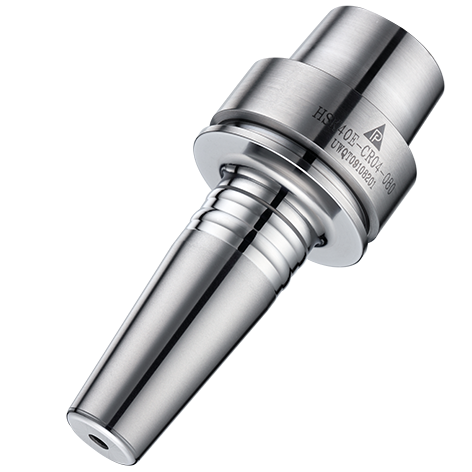
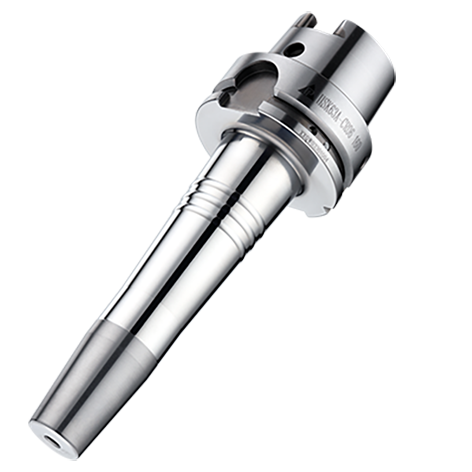
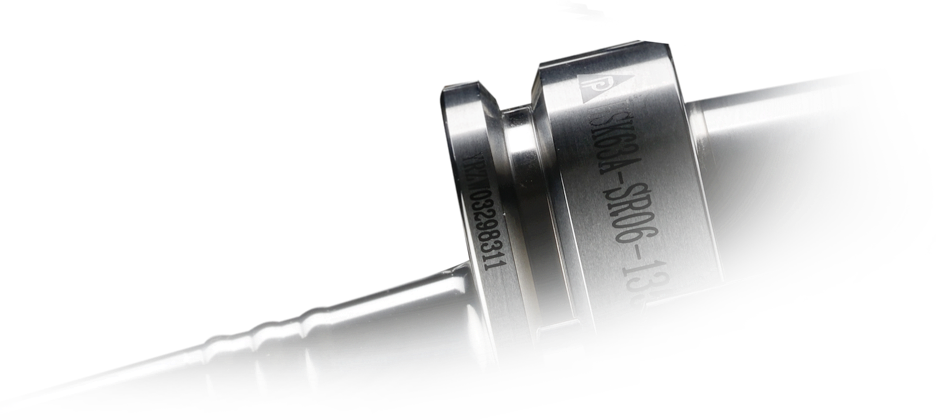
Shrink-fit tool holders are single-piece, monolithic tool holders that utilize the principle of thermal expansion and contraction to clamp cutting tools. Once the heating machine reaches the target temperature, the inner bore of the tool holder expands, allowing the cutting tool to be inserted into the bore. Subsequent cooling then achieves the thermal contraction and clamping effect. Parfaite shrink-fit tool holders feature an integrated, thick-walled design that provides the advantage of 360-degree tool clamping. They offer excellent runout accuracy, superior clamping force, and exceptional dynamic balance performance, making them highly suitable for general high-speed roughing as well as finishing operations.
Good rigidity
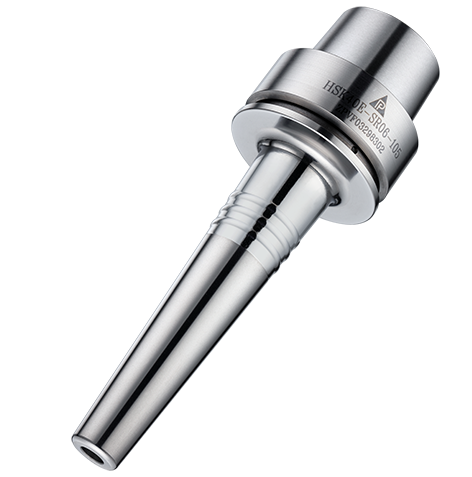
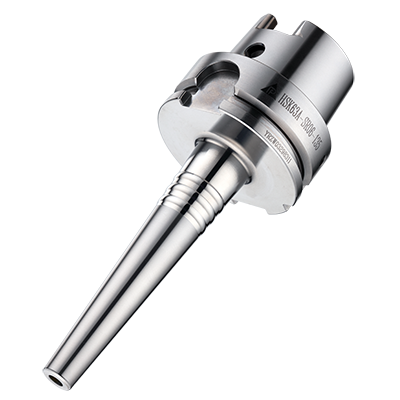
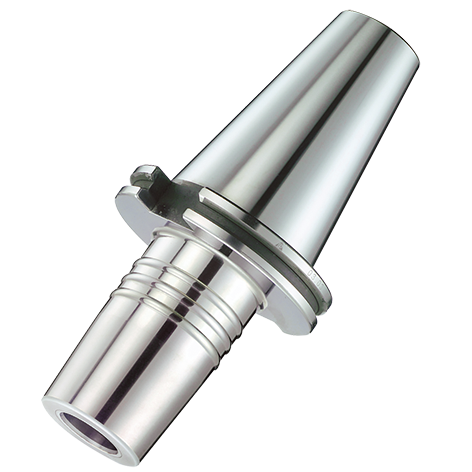
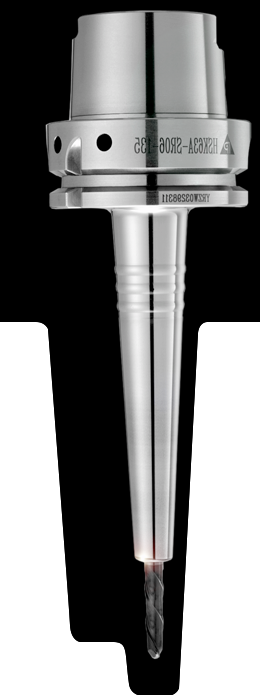
CR standard type shrink fit chuck is one-piece, thicker wall design with strong clamping force for semi finishing and finishing application.
Overcome interference in deep cavity machining
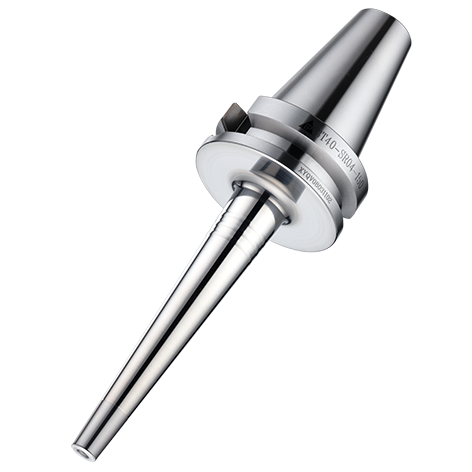
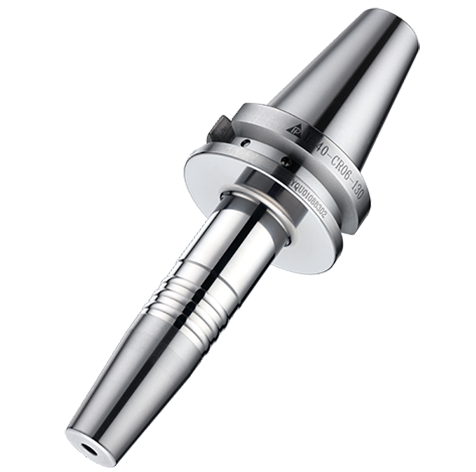
The SR slim type is more suitable for using in narrow spaces and corner interference problems.

3µm high precision
Run out≦0.003mm
Improve surface finish and reduce tool wear
After a special heat treatment process,
After a special heat treatment process, the chuck can maintain best accuracy and life.
Overcome interference in deep cavity machining
The SR slim type is suitable for machining narrow space and difficult corner interference.
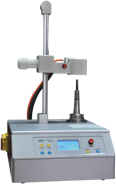
Heater specifications
FAQ
Product FAQS
How to Install the Tool Correctly?
Heat the tool holder to 350°C to expand the inner diameter, insert the tool quickly, then cool and shrink for interference fit to prevent tool slippage. Use a dedicated induction heater, controlling time within 1 minute for precision.
Differences from Traditional Collets?
Shrink-fit holders offer stronger clamping, higher precision (runout ≤3μm), no cumulative errors, ideal for high-speed cutting, but require a shrink-fit machine for changes. Compared to collet chucks, longer life and better dynamic balancing, but more complex maintenance.
How to Maintain to Avoid Failures?
Regularly clean inner bore carbon buildup, avoid overheating. Maintenance extends life and ensures clamping stability.